Which Saudi Doors Are Actually Open? A Straight Answer for U.S. Investors Eyeing Vision 2030
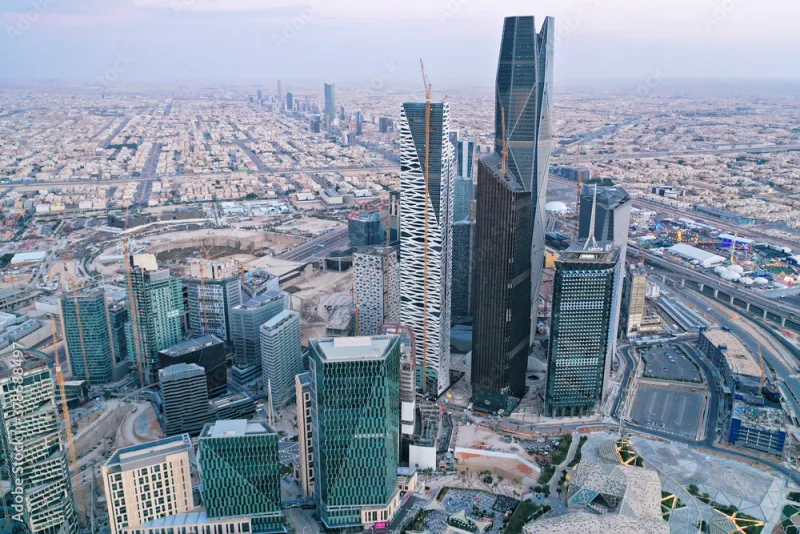
Photo: Riyadh skyline modern business district King Abdullah Financial City, via as1.ftcdn.net
The Short Version for Busy American Founders
If you last looked at Saudi Arabia's investment rules a decade ago, forget what you know. The Kingdom that once required a local sponsor for nearly everything now permits 100% foreign ownership in most commercial sectors, and the reforms are tied directly to the sweeping economic agenda known as Vision 2030.
For U.S. entrepreneurs and companies weighing expansion, the question is no longer whether foreigners can invest — it's which route fits your business and how to avoid the paperwork pitfalls. This guide walks through both.
What Vision 2030 Changed, Sector by Sector
Vision 2030 is Saudi Arabia's national transformation plan: diversify the economy beyond oil, attract trillions of riyals in investment, and build entirely new industries from tourism to technology. Foreign participation is not an afterthought — it's the engine.
Giga-Projects and Tourism
The headline generators — NEOM, the Red Sea destinations, Qiddiya, and the heritage region of AlUla — are actively courting international operators. Foreign hotel groups, experience companies, and tourism service providers can now hold majority or full ownership of their Saudi entities. Hospitality remains one of the most open sectors on the board.
Entertainment, Retail, and F&B
Cinemas returned in 2018 after a 35-year absence, and the sector has since opened to foreign operators. Retail, restaurants, and e-commerce similarly allow full foreign ownership in most categories, provided licensing conditions are met. This is where many small and mid-sized American brands have entered — specialty food concepts, fitness franchises, and direct-to-consumer retail.
Professional Services, Tech, and Logistics
Consulting, engineering, IT services, and logistics are broadly open, with some regulated activities requiring additional approvals from sector-specific authorities. Financial services remain more tightly gated and typically involve the Capital Market Authority or Saudi Central Bank, so expect a longer runway there.
Where Restrictions Persist
A short list of activities — largely tied to security, religious services, and certain real estate categories — still limits foreign participation. Treat anything on the negative list as requiring local partnership or structuring advice before you commit.
MISA Licensing: Picking Your Route
The Ministry of Investment of Saudi Arabia (MISA) is the gateway. Nearly every foreign-owned entity starts with a MISA investment license, and the route you choose shapes your timeline.
- Service license: For consulting, tech, and professional services. Typically the fastest and least capital-intensive route, making it the default for American firms testing the market.
- Commercial (trading) license: For import, distribution, and retail. Historically carried higher capital requirements, though thresholds have eased considerably for many activities.
- Industrial license: For manufacturing. Requires a business plan, facility commitments, and coordination with industrial authorities, but comes with incentives like reduced utility rates in some zones.
- Entrepreneur license: Aimed at startups, offering reduced requirements for innovative ventures — a genuine option for early-stage founders.
Most U.S. service businesses complete licensing and commercial registration within a few weeks to a couple of months when documents are prepared correctly.
Registering a Company Remotely: A Step-by-Step Path
You no longer need to fly to Riyadh to get started. Here's the realistic sequence:
- Reserve your trade name through the Ministry of Commerce portal.
- Apply for the MISA investment license, submitting your corporate documents — U.S. incorporation certificates, financials, and a business plan. Documents generally require authentication and translation into Arabic.
- Obtain your commercial registration (CR) once the license is issued.
- Register with the Chamber of Commerce and the tax authority (ZATCA) for your tax and VAT numbers.
- Enroll employees — including yourself — in GOSI, the social insurance system.
- Open a corporate bank account and activate your manager's residency (iqama) if relocating. This is the step most often done in person or through an authorized representative.
Remote incorporation services and law firms in Riyadh and Jeddah can handle most of this on your behalf with a power of attorney.
Five Mistakes That Get Applications Rejected
- Mismatched company names or documents. If your Delaware LLC's name doesn't match the proposed Saudi trade name or the apostilled paperwork, expect a rejection or a costly correction cycle.
- Vague business plans. MISA reviewers want specific activities, revenue models, and Saudi market rationale. A generic template lifted from your U.S. pitch deck won't survive scrutiny.
- Wrong license type. Applying for a service license while describing trading activity — or vice versa — is a classic error that restarts the clock.
- Expired or improperly authenticated documents. U.S. corporate documents typically need recent apostilles and certified Arabic translations; stale paperwork is the most common administrative rejection.
- Ignoring Saudization quotas. Hiring plans must account for national employment requirements in your sector. Overlooking this can block the license even when everything else is clean.
The Bottom Line
Saudi Arabia in 2025 is the fastest-reforming large economy open to American capital, and the window for first-mover advantage in many sectors is still open. The rules are genuinely friendlier than they were — but they're rules nonetheless. Get the licensing route right, prepare documents properly, and the process is far smoother than the Kingdom's old reputation suggests.