From Riyadh to the Ranch House: How Gulf-Backed Halal Retail Is Reshaping the American Grocery Aisle
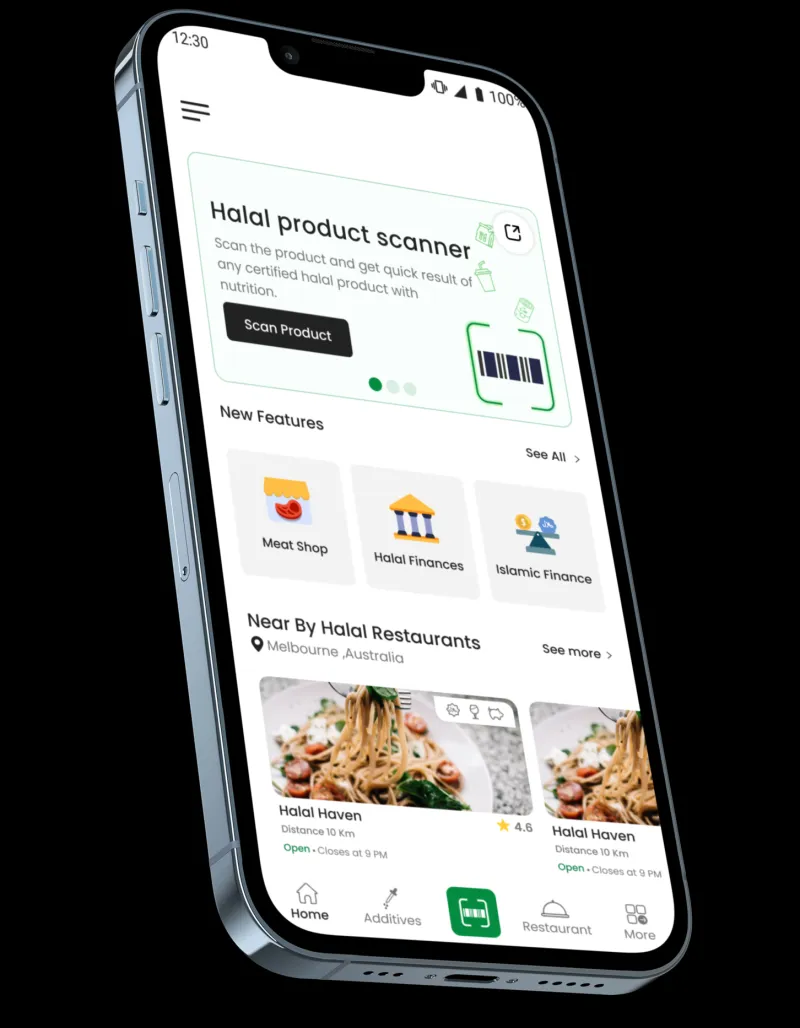
Photo: halal grocery delivery app smartphone suburban supermarket, via halalfinderapp.com
Drive through suburban Dearborn, Michigan, or the sprawling neighborhoods north of Dallas, and you'll spot it: delivery vans branded in Arabic script, grocery apps promising next-day halal meat, and meal-kit startups advertising dates, za'atar, and certified zabiha chicken alongside the usual American fare. What began as a niche serving immigrant communities has become one of the more interesting — and underreported — retail stories in the United States.
The Reverse Flow Nobody Predicted
For decades, the cultural current ran one way: American brands into the Gulf. Today, a quieter counter-current is forming. Entrepreneurs with Saudi roots, Saudi funding, or Vision 2030-era business training are building consumer companies on American soil, applying lessons learned in one of the world's fastest-digitizing retail markets.
"In Riyadh, we went from cash-on-delivery to instant grocery delivery in under five years," says one Texas-based founder who asked to be identified only by his first name, Omar, because his three-year-old startup is mid-fundraise. "When I moved to Texas, I saw the same demand — Muslim families driving forty minutes for proper halal beef — but none of the infrastructure. We basically copied the Gulf playbook."
Omar's company is one of several halal-focused grocery and meal-kit platforms now operating across the Sun Belt, where Muslim populations are growing fastest. The halal food market in the US is estimated in the tens of billions of dollars annually, and it is no longer driven solely by observant consumers: health-conscious and ethically minded shoppers increasingly overlap with the category.
Where the Money Comes From
Much of the early capital traces back, directly or indirectly, to Gulf sources. Family offices from Riyadh and Jeddah — energized by Saudi reforms that make it easier for citizens to invest abroad — have become quiet backers of American halal logistics, food-tech, and e-commerce ventures.
The logic is straightforward. Saudi investors understand the product intimately; they know what a credible halal certification chain looks like, and they recognize underserved demand when they see it. Vision 2030's emphasis on entrepreneurship and global market exposure has also produced a generation of Saudi-trained operators comfortable building in foreign markets.
"This isn't sovereign wealth making headlines," notes one US-based advisor who works with Gulf family offices. "These are private checks, often under five million dollars, into scrappy founders. It's patient capital with genuine category expertise."
Why the Suburbs, Not the Cities
Counterintuitively, the growth is happening in places like suburban Houston, Detroit's metro area, and the corridor between Chicago and its outer suburbs — not Manhattan or San Francisco. The reasons are practical.
Muslim American households are disproportionately suburban and family-oriented. Land is cheap enough for cold-storage fulfillment. And competition from incumbent grocery giants is thinner. Apps that would drown in urban markets' noise can become the default in a suburb with thirty thousand Muslim families and two specialty butchers.
One Michigan-based platform reports that its average order value now exceeds that of mainstream grocery delivery apps in the same zip codes — driven by bulk meat purchases and Ramadan-season spikes that can triple weekly volume.
The Certification Bottleneck
The sector's biggest challenge isn't demand; it's trust. Unlike kosher certification, halal verification in the US remains fragmented across competing certifiers. Founders say the winning platforms are those that build transparency into the app itself — farm origins, slaughterhouse audits, certifier credentials — a lesson borrowed directly from Gulf markets, where consumer scrutiny of halal claims is intense.
"American shoppers scan a barcode and want to see the whole chain," Omar says. "In Saudi Arabia, we learned you can't fake that. So we didn't try."
What to Watch
For US investors and retailers, the signal is hard to ignore. Mainstream chains are beginning to stock certified halal lines; some are in quiet talks with the same Gulf-connected distributors powering the startups. Expect consolidation within three to five years, with the most likely acquirers being either large American grocers seeking instant credibility or Gulf retail groups seeking American beachheads.
Either way, the souk has landed — and it's taking orders by app.