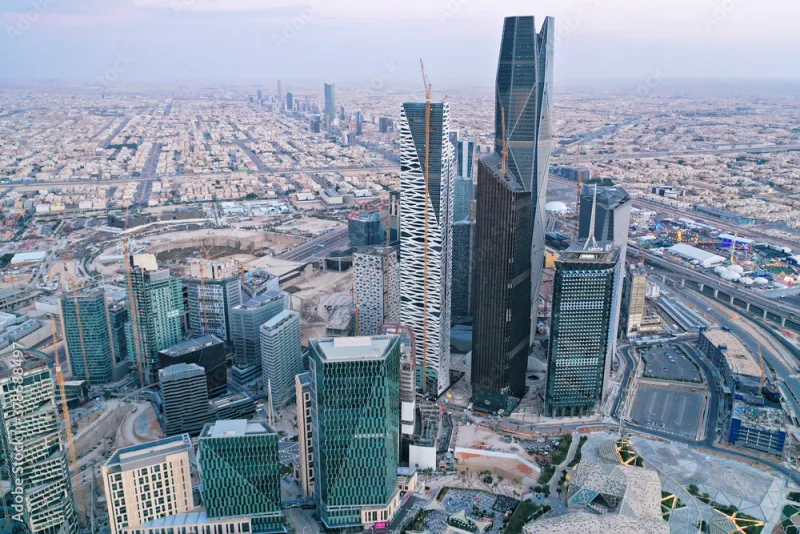
The Real Math: What a USA Paycheck Actually Delivers in Riyadh

Photo: Unknown authorUnknown author, CC BY-SA 4.0, via Wikimedia Commons
The offer looks impressive on paper: a salary free of federal income tax, housing support, and a role tied to one of the Vision 2030 megaprojects reshaping the Saudi economy. For many American engineers, healthcare administrators, and finance professionals, the question is no longer whether Riyadh is a serious career destination — it's whether the money genuinely stretches further than it would back home.
The short answer: usually yes, but the margin depends heavily on decisions you make before the plane lands.
Why Tax-Free Changes the Equation
A $150,000 salary in Texas might net roughly $115,000 after federal taxes. In Riyadh, under the US-Saudi tax treaty realities and the foreign earned income exclusion (currently around $126,000 per person), many American expats legally shield most or all of their Saudi income from the IRS. There is no personal income tax on wages inside the Kingdom.
That difference alone can feel like an instant 20 to 25 percent raise. But Riyadh has its own cost structure, and it surprises newcomers in both directions.
Housing: The Biggest Variable
Rent is where budgets diverge most sharply.
- Expat compounds (gated communities with pools, gyms, and Western-style amenities): typically SAR 150,000–300,000 per year ($40,000–80,000), though many employers cover this entirely. Compounds like Al Olaya-area towers or the sprawling developments near the Diplomatic Quarter are the default choice for American families.
- Standalone apartments in neighborhoods such as Al Malqa or Hittin: roughly SAR 60,000–120,000 annually ($16,000–32,000), considerably cheaper but without the compound infrastructure.
If housing is included in your package — and it frequently is for senior hires — your effective savings rate jumps dramatically. Always negotiate this line item before signing.
A Realistic Monthly Budget
Here's what a single American professional, housing covered, typically spends in Riyadh:
| Category | Monthly Estimate (USD) |
|---|---|
| Groceries (mix of local and imported) | $450–700 |
| Dining out and coffee | $300–500 |
| Transportation (Careem/Uber, occasional car) | $150–300 |
| Mobile and internet | $60–100 |
| Gym and recreation | $80–150 |
| Domestic help (part-time) | $200–400 |
| Miscellaneous | $150–250 |
Total: roughly $1,400–2,400 per month, leaving most of a professional salary available for savings or debt payoff. Families adding international school tuition — which can run $15,000–25,000 per child per year at American-curriculum schools — should model that carefully, or negotiate an education allowance.
Groceries, Drivers, and Daily Life
Food costs split into two tiers. Local produce, dairy, and staples from Panda or Carrefour cost about the same as or less than a US grocery run. Imported American brands — the specific cereal, the specific salsa — carry a 30 to 60 percent premium. Most expats settle into a hybrid basket within two months.
Hiring a driver remains far more common than in the US, at roughly $500–800 monthly for full-time help. It's not a luxury affectation; it's often the most practical way to navigate a car-centric city where ride-hailing surge pricing adds up.
The Trade-offs Worth Naming
Riyadh summers push past 110°F, compressing outdoor life into evenings and indoor venues. Alcohol is unavailable. The social scene concentrates heavily inside compounds and hotel districts. Americans who thrive tend to reframe these constraints early rather than fighting them.
On the other side of the ledger: travel across Europe, Africa, and Asia becomes dramatically cheaper and faster, weekend trips to Jeddah or AlUla are routine, and the savings trajectory is difficult to replicate in any major US metro.
The Bottom Line
For a single professional with housing covered, Riyadh on an American salary typically means saving 40 to 60 percent of take-home pay — numbers that would require a Bay Area tech salary to match in the States. Families face more variables, mostly around schooling. Run your own spreadsheet, negotiate housing and education clauses hard, and the Vision 2030 opportunity becomes not just an adventure, but a genuine financial accelerant.