Your First Umrah from the US: A Practical Checklist for the Modern American Pilgrim
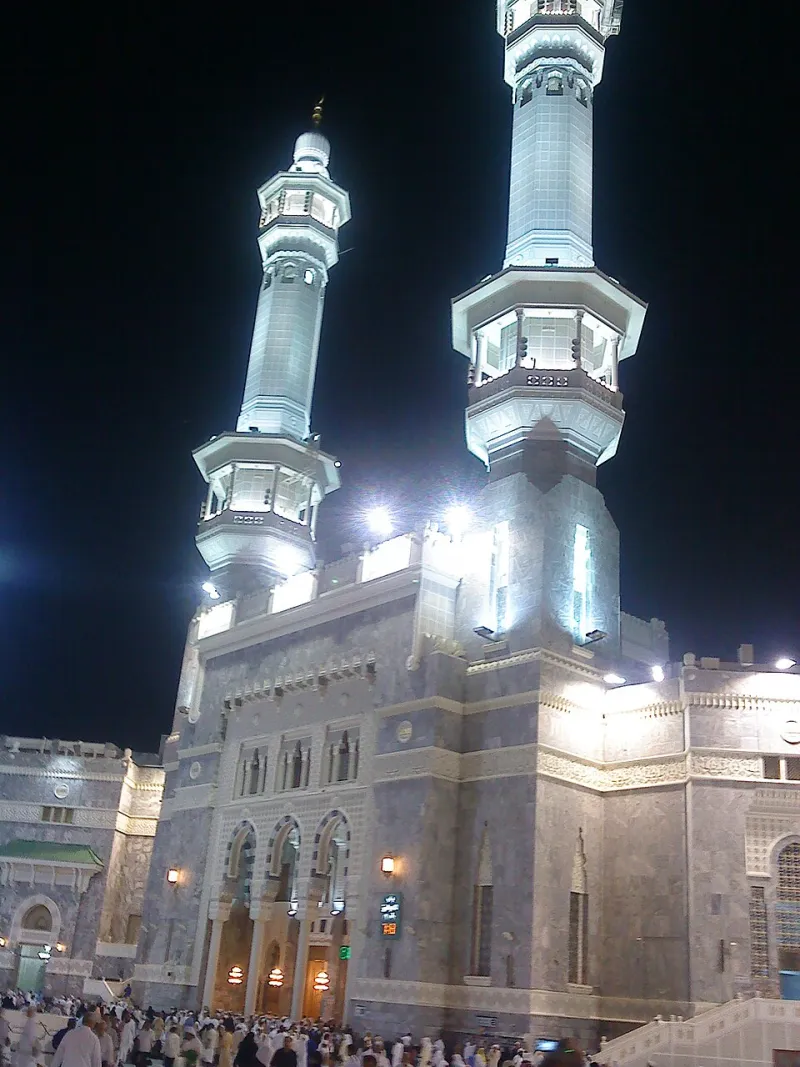
Photo: Md iet, CC BY-SA 4.0, via Wikimedia Commons
The flight from Los Angeles to Jeddah takes nearly seventeen hours with a connection. For the growing number of American Muslims making that trip for Umrah — the lesser pilgrimage, performable year-round — the logistics have never been easier. Yet the learning curve remains real, and the gaps between what travelers expect and what they find are remarkably consistent.
This checklist draws on the accumulated experience of US-based pilgrims from Chicago to Houston who made the trip in the past two years.
Step One: Sort the Visa Before Anything Else
The tourist e-visa, available to US citizens online through the official Visit Saudi platform, covers Umrah outside of Hajj season. Approval typically arrives within 24 to 72 hours, costs around $135 including medical insurance, and permits multiple entries over a year.
Key details that trip people up:
- Apply at least two weeks before departure to allow for processing delays.
- Your passport needs six months of validity beyond your travel dates.
- Umrah permits for entering the Grand Mosque are now booked through the Nusuk app — more on that below.
- US citizens holding valid US visas or green cards may qualify for visa on arrival, but don't gamble your trip on it.
The App Stack You Actually Need
Download these before boarding:
- Nusuk — the official platform for Umrah permits, Rawdah visit reservations in Madinah, and prayer slot booking. This is non-negotiable.
- Careem and Uber — both work reliably in Jeddah, Mecca, and Madinah. Careem often has better airport pricing.
- Google Maps with offline downloads — connectivity around the Haram can throttle during peak hours.
- WhatsApp — it is the default communication layer for hotel staff, drivers, and tour operators. Email gets you nowhere.
- Currency converter and a Travelcard — the Saudi riyal is pegged at 3.75 to the dollar, making mental math easy.
Money, SIMs, and Arrival Logistics
Buy a SIM at Jeddah airport from STC or Mobily kiosks — roughly $20–30 for generous data. Card acceptance is widespread, but keep small cash for carts, wheelchairs, and sadaqah. Airport taxis are metered but ride-hailing pickup zones are usually faster to find.
Hotels nearest the Haram command steep premiums. Many American pilgrims book in Jabal Omar or the clock tower complex for convenience, while budget travelers stay a ten-minute shuttle ride out and save hundreds per night.
What Surprises Americans Most
Ask around any US mosque community and the same revelations surface:
- The scale. Photos of the Grand Mosque simply don't convey its size. First-timers routinely budget 20 minutes for what looks like a five-minute walk.
- The logistics intensity. Umrah is physically demanding — crowds, walking, odd hours. Train with daily walking for a month before departure.
- How organized it is. The permit system, multilingual signage, and crowd management surprise Americans expecting chaos.
- The diversity. You'll hear dozens of languages in a single tawaf circle. Many describe it as the most moving part of the trip.
Etiquette Essentials and WhatsApp Norms
Dress conservatively; men in thobes or loose trousers, women in abayas (widely available on arrival, no longer legally mandatory for foreign women, but practically expected around religious sites). Avoid public displays of affection, skip photography of strangers — especially women — without permission, and lower your voice in the mosque complexes.
On WhatsApp: respond promptly, as service providers treat it like a live channel. Confirm every hotel transfer and tour in writing. A polite greeting in Arabic — as-salamu alaykum — opens doors; a tip of 10 to 20 riyals for porters and drivers is standard and appreciated.
The Return Trip
Most American pilgrims split time between Mecca and Madinah, connected by a smooth high-speed Haramain train (book early — it sells out). Build in a rest day before flying home; jet lag plus post-ritual exhaustion is a known combination.
Go with patience, pack light, keep your documents in a neck pouch, and let the itinerary breathe. The pilgrimage rewards flexibility far more than precision — a lesson, seasoned travelers say, that tends to follow you home.