Cardamom on Main Street: The American Founders Pouring Gulf Flavor Into Cups, Wrappers, and Bottles
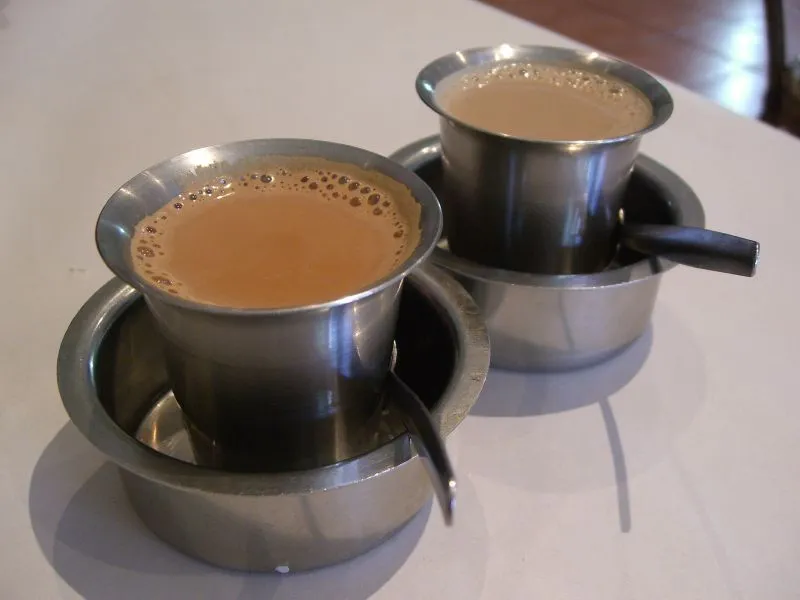
Photo: Alpha from Melbourne, Australia, CC BY-SA 2.0, via Wikimedia Commons
In a strip mall outside Houston, a new cafe serves its signature drink: a pour-over brewed from lightly roasted beans, infused with cardamom and saffron, served alongside a plate of medjool dates stuffed with candied orange peel. The owner calls it "Saudi-style coffee service, Texas-sized." The customers, most of whom have never set foot in the Gulf, call it delicious — and they keep coming back.
Scenes like this are multiplying across the country. A date-based energy bar brand launched in Southern California now sits in regional Whole Foods stores. A Detroit entrepreneur sells oud-scented candles and room sprays online, marketing them as "the scent of modern Arabia." A Brooklyn roastery has added a gahwa-inspired blend to its seasonal lineup. None of these founders are Saudi. All of them are betting that American consumers are ready for the flavors, aromas, and hospitality traditions of the Arabian Peninsula.
Why Now? The Cultural Tailwind
The timing is not accidental. Saudi Arabia's Vision 2030 reform program has deliberately pushed the Kingdom's culture onto the world stage — through entertainment megaprojects, a booming tourism campaign, the 2029 Asian Winter Games, and the 2034 World Cup on the horizon. American travelers who might once have skipped the Gulf now post AlUla vacation photos on Instagram. Saudi coffee culture, in particular, has been formally promoted: the Kingdom registered "Saudi coffee" as a protected term and hosted international festivals celebrating the cardamom-and-saffron brewing tradition.
"Cultural export creates shelf space," explains one retail consultant who tracks specialty food trends. "When a country spends years telling a story, consumers walk into a store already curious. The brand that answers that curiosity first, with quality, wins the aisle."
The data supports the optimism. Dates have quietly crossed into mainstream American snacking, prized as a natural sweetener in protein bars and wellness products. Middle Eastern cuisine generally is riding a decade-long rise in US menu penetration. And specialty coffee drinkers — the same consumers who made Ethiopian and Yemeni beans premium categories — are primed for the next origin story.
What the Founders Are Actually Doing
The brands finding traction share a few traits worth noting for anyone eyeing the space.
They translate, not transplant. The most successful products do not ask American consumers to adopt unfamiliar rituals wholesale. The Houston cafe pairs its Saudi-style coffee with familiar formats — lattes, cold brew, grab-and-go pastries — using Gulf flavors as the differentiator rather than the barrier. The California snack brand markets its date bars on energy and clean ingredients, letting the origin story be a bonus, not a homework assignment.
They obsess over sourcing authenticity. Consumers in the specialty space can detect a shortcut. Founders importing actual Saudi khawlani coffee beans or medjool dates from Gulf suppliers — and saying so on the label — report stronger word-of-mouth than those using "inspired by" as a vague seasoning.
**They build the story into the price." A $4 candle cannot carry an education campaign about oud. A $38 one can. Premium positioning is not just margin protection; it funds the storytelling that makes a niche category legible to mainstream shoppers.
The Risks Nobody Puts on the Label
The path is not without hazards. Flavor trends in the US move fast, and Gulf-inspired products could be a moment rather than a movement. Supply chains for authentic ingredients — khawlani beans especially, which are grown in limited quantities in Saudi Arabia's Asir region — are thin and expensive. And cultural sensitivity matters: founders who treat Gulf traditions as a costume rather than a craft have drawn criticism online, where nuance travels quickly.
The founders who seem built to last are those with genuine ties to the region — often through family, travel, or years working in the Gulf — or those who partner directly with Saudi suppliers and producers, sharing the upside rather than merely borrowing the aesthetic.
A Window Worth Watching
For now, the wave remains small enough that individual entrepreneurs can still catch it. The specialty grocery buyer who takes a chance on a date-sweetened condiment line today faces far less competition than one will in three years, if the trajectory of similar trends — matcha, harissa, ube — is any guide.
Vision 2030 has spent years telling America that Saudi Arabia is open for visitors, investors, and partners. A quieter message is now reaching Main Street one shelf at a time: the flavors are open too. The founders pouring cardamom coffee in Houston and wrapping date bars in California are simply the first to answer.