Follow the Riyals: A Plain-English Map of Saudi Money in American Business
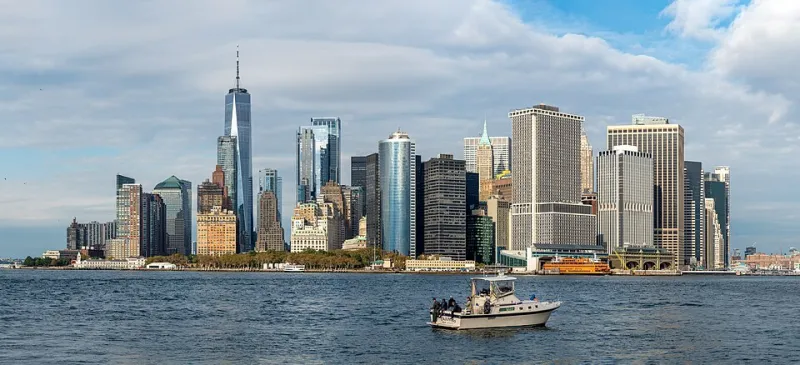
Photo: Rhododendrites, CC BY-SA 4.0, via Wikimedia Commons
If you've stayed at a major US hotel chain, shopped at a big-box retailer, or watched a Premier League match broadcast on American television, there's a reasonable chance you've interacted with a company that counts Saudi Arabia's sovereign wealth fund among its owners.
Most Americans haven't tracked this. That's understandable — the transactions happen in regulatory filings, and the buyer, the Public Investment Fund (PIF), rarely holds press conferences about its portfolio. But the scale warrants attention, and the mechanics are simpler than they look.
Who Is the PIF, Exactly?
The Public Investment Fund is Saudi Arabia's sovereign wealth fund, chaired by Crown Prince Mohammed bin Salman. Its mandate under Vision 2030 is to convert the Kingdom's oil wealth into a diversified global investment portfolio — essentially transforming petrodollars into stakes in companies, real estate, sports, and technology that can generate returns for generations.
With reported assets approaching the trillion-dollar range, the PIF operates less like a national savings account and more like one of the largest institutional investors on the planet, in the same conversation as Norway's sovereign fund or the largest US pension systems.
Where the Money Lands in the US
The American footprint spans several distinct categories:
Sports and entertainment. The PIF's investments in golf (through LIV Golf and its eventual merger framework with the PGA Tour) have made it a household name among American sports fans. Its regional holdings also extend into gaming and esports companies with major US consumer bases.
Hospitality and real estate. Saudi-linked capital holds positions in hotel portfolios and landmark commercial properties, including stakes tied to some of New York's most recognizable addresses.
Technology and venture capital. Through direct investments and limited-partner commitments to major US venture firms, Saudi money circulates through startups most consumers interact with daily without realizing it.
Agriculture and land. Saudi-owned entities have acquired US farmland in several states, drawing legislative scrutiny — more than a dozen states have moved to restrict or review foreign agricultural land purchases, with Saudi-linked acquisitions among the most frequently cited examples.
What It Means for Workers and Consumers
For most Americans, the day-to-day impact is subtle. Sovereign wealth investors are typically passive or minority stakeholders, and hotel loyalty points don't care who owns the parent entity. Where employees notice ownership changes is usually in capital availability — well-funded owners can expand, renovate, and hold assets through downturns that would sink leveraged buyers.
The more meaningful debates are policy-level. Critics raise human rights concerns and questions about strategic influence. Supporters counter that foreign investment funds American growth and that the US actively courts such capital. Both things can be true, which is precisely why the conversation deserves more clarity than it usually gets.
The Bottom Line for the American Consumer
You don't need to audit your portfolio or boycott your hotel. But knowing that Saudi capital is woven into American sports, hospitality, tech, and agriculture helps you read the news with better context — and understand why a desert kingdom 7,000 miles away keeps showing up in stories about your local economy.
The riyals, whether you've noticed or not, are already here.